

































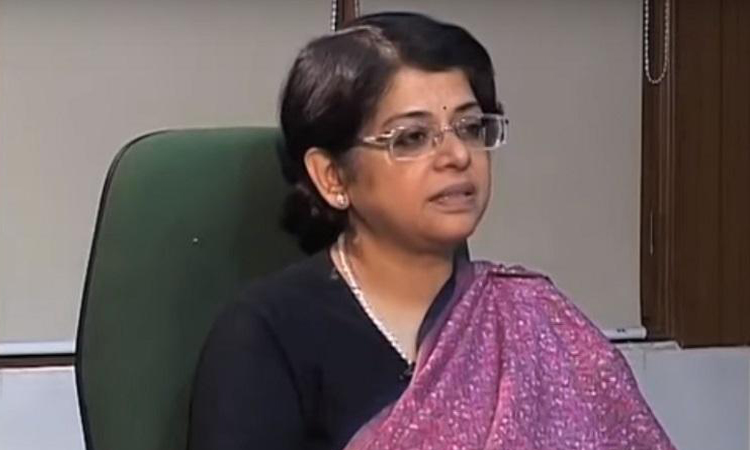
Justice Indu Malhotra–the lone woman judge on the five-judge Constitution Bench–delivered a dissenting verdict as the Supreme Court on Friday allowed women of all age groups to enter Sabarimala Temple.
Justice Indu Malhotra in her verdict said the verdict would have far-reaching consequences for all religions and religious practices.
Equality in the context of religious practices must be viewed from the point of view of the followers of the same practice, she said.
“Courts should not interfere with a religious practice unless it’s a practice like Sati,” Justice Malhotra said.
Constitutional morality in a secular polity envisaged freedom to practise religion by all sections of society, adding that “It’s not for the courts to determine whether the practice in question is rational and logical.”
Justice Malhotra disagreed with the four other judges, and ruled that followers of Lord Ayyappa constituted a separate religious denomination.
In a majority 4:1 judgment, the top court read down the provision of Kerala laws that protected the prohibition and said it could not be covered under practices essential and integral to religious practice.